
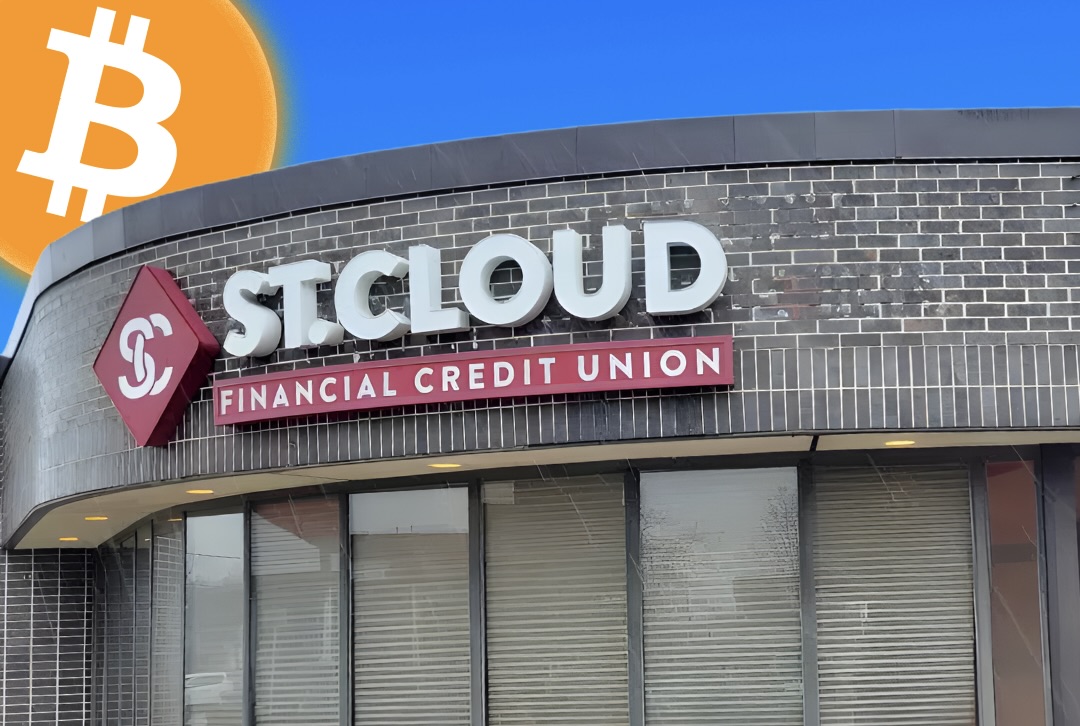
A $425 million Minnesota-based credit union is stepping directly into Bitcoin custody.
St. Cloud Financial Credit Union has launched a new “Digital Asset Vault,” allowing members to custody Bitcoin through the institution rather than relying on third-party exchanges. The move marks one of the clearest examples yet of a community-scale financial institution offering native Bitcoin custody services.
According to reporting from regional banking and credit union trade outlets, the Digital Asset Vault is designed to provide secure, compliant storage for members who want Bitcoin exposure without managing private keys themselves. The credit union is positioning the service as a safety-first solution aimed at reducing exchange risk and self-custody errors.
This development reflects a broader institutional shift. While Bitcoin’s price has traded sideways in recent weeks, regulated financial entities continue building infrastructure in the background. From Wall Street banks applying for trust charters to local credit unions offering custody, traditional finance is increasingly integrating Bitcoin rails.
Why It Matters
When even mid-sized credit unions begin offering Bitcoin vault services, it signals normalization. Bitcoin is moving beyond exchanges and deeper into regulated, community-based finance.
Custody is financial control. Whoever holds the keys holds the power. By adding Bitcoin vault services, credit unions are responding to member demand for an asset outside the traditional monetary system.
There’s also a freedom element. Bitcoin was built for sovereignty. Whether through self-custody or regulated vaults, the key shift is optionality, and more options mean more financial autonomy.
At Roxom TV, we will always advise Bitcoiners to hold their own keys. Institutional vaults may expand access, but true ownership in Bitcoin ultimately means self-custody.