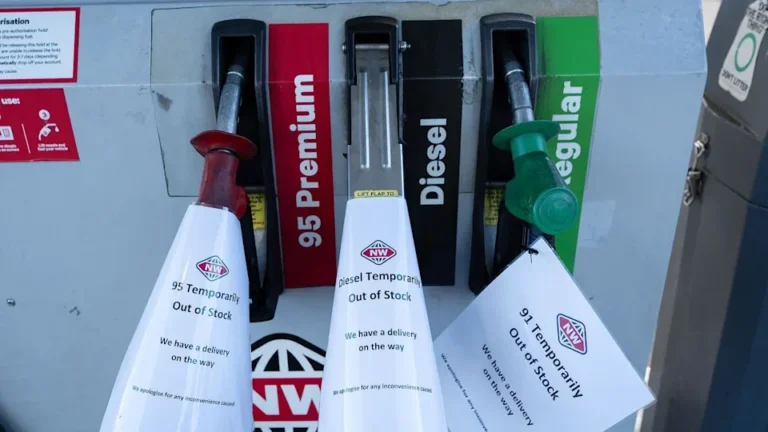
Brent crude spiked to $119.50 a barrel Monday morning, blowing past $100 for the first time since Russia invaded Ukraine. Bloomberg called it the biggest single-day dollar gain in Brent futures history, going back to 1988.
Prices later pulled back to around $104-105 after the Financial Times reported that G7 finance ministers would discuss a coordinated release of emergency petroleum reserves through the IEA. But the U.S. Strategic Petroleum Reserve is at roughly 400 million barrels, well below its 700-million capacity after Biden-era drawdowns. A reserve release buys time. It doesn’t fix the problem.
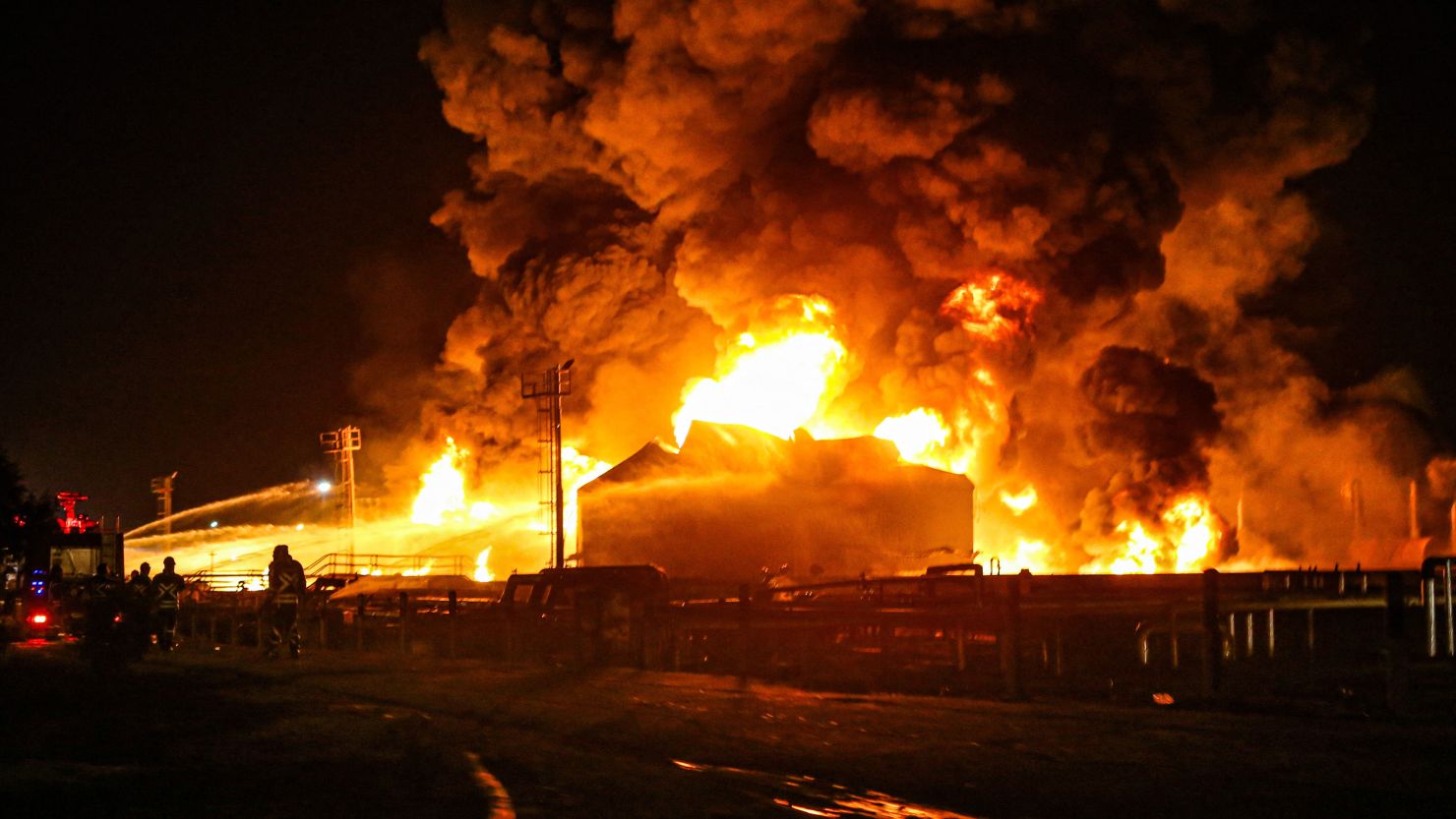
The problem is physical. Through the Strait of Hormuz roughly 20% of the world’s oil passes daily, and it’s effectively shut. Israel struck Iranian oil depots in Tehran for the first time Saturday, sending massive fireballs into the sky.
Bahrain’s sole refinery was hit by Iranian retaliation and declared force majeure. Saudi Arabia said it intercepted and destroyed a drone heading for an oilfield. Iran’s warship losses have degraded its ability to enforce a naval blockade, but the threat alone has kept tanker traffic near zero.
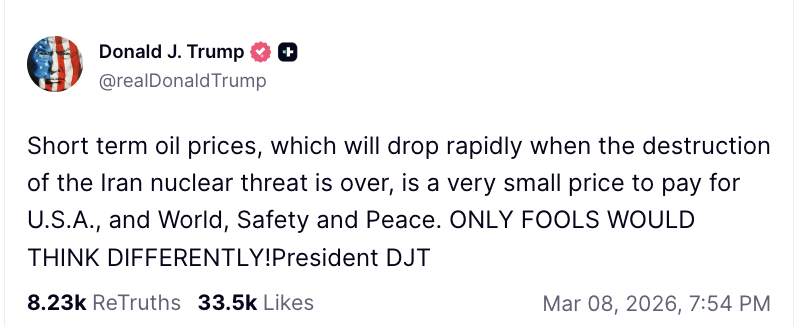
Trump claims that surging oil is “a very small price to pay for U.S.A., and World, Safety and Peace. ONLY FOOLS WOULD THINK DIFFERENTLY!”
Gas nationally hit $3.45 a gallon Sunday, up 16% in one week and the downstream effects are already cascading. Asian markets cratered Monday: Japan’s Nikkei plunged 5.2%, South Korea’s KOSPI triggered a circuit breaker at nearly 8% down, Taiwan fell 4.8%. Every European index was red. Dow futures dropped 800+ points. The only market in positive territory on Earth: Norway. An oil exporter. Up 0.1%.
Asia imports 90% of the oil that transits Hormuz. South Korea’s president threatened strict penalties for gas station price gouging. Lines formed at filling stations across Southeast Asia. China said it “will take necessary measures to safeguard its own energy security.”
The combination of surging energy costs, a weak U.S. jobs report from Friday, and a war with no end in sight has the market pricing the scenario nobody wants to say out loud: stagflation. Prices are going up. Growth is slowing down. And no central bank tool that fixes both at the same time.